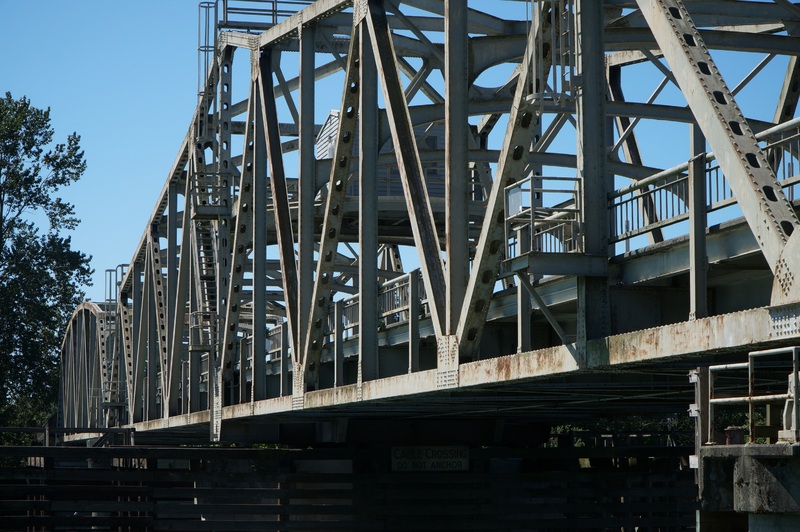
At the start of this course, the class was asked to include in the self-introduction an image of what we think is the best instruction resource. To conclude my learning for this course, I am using an image of a bridge. For me this picture reflects how this course in Instructional Media Resources will help me as an aspiring educator to deliver effective teaching and learning experience for my learners. Just as bridge connects people and different mode of transportation through my learning in this course, I will be able to connect my knowledge in learning theories, principles of teaching and in other courses in Professional Teaching Certificate to facilitating learning.
This course will help me to design, develop, and utilized the best instructional media that will help create effective learning experience for the learners. By defining the different between media and technology helped in my understanding on when, how and the implications in using media and technology. Utilization of different instructional media enhances and facilitates learning. With the shift from traditional method of teaching to active involvement of learners’ integration of instructional media can effectively improve learning. Just like how bridges can connect various resources of one area to another, instructional media provides various benefits by providing concrete experiences, increasing retention, and developing opportunities for extension of learning.
I specifically choose a truss bridge image to describe my learning in this course because truss bridges are known for being able to support considerable external loads in a large span. This is made possible because of the truss structure, a connected triangular element. I associate the three sides of this triangular elements with pedagogy, learning theories, and instructional materials design. Each side have its importance but when connected with one another can strongly or effectively facilitate learning. In the selection and use of instructional media, educators need to consider the different learning theories and pedagogical approaches with the goal of enhancing learning. An example of this is can be by understanding the cognitive load theory, educators can design, develop, select and utilize instructional materials that optimize the amount of information being communicated to the learners.
In the selection, design, development and utilization of instructional materials, it is important to understand the strengths and limitation of the different instructional materials, the learning styles and available resources in the classroom. With various factors to consider, aspiring educators like me will need the valuable knowledge and experience taught and learn in this course. It is through this knowledge and experience that I can effectively enhance learning in my classroom.
Below are the links for my e-journal entries in this course:
Module 1 – Media + Technology https://charrydmolinateach.school.blog/2020/07/15/media-technology/
Module 2 – Multiplier Effecht https://charrydmolinateach.school.blog/2020/07/15/multiplier-effect/
Module 3 – Does it have what it takes?https://charrydmolinateach.school.blog/2020/07/15/does-it-have-what-it-takes/
Module 4 – When we first homeschool…https://charrydmolinateach.school.blog/2020/07/23/when-we-first-homeschool/
Module 5 – Inclusion exclusion https://charrydmolinateach.school.blog/2020/07/23/inclusion-exclusion/.
ASSURE MODEL – Understanding Plants – Instructional Plan for Early Learners https://charrydmolinateach.school.blog/2020/07/12/understanding-plants-instructional-plan-for-early-science-lesson-assure-model/.
Activity 1 for Module 6 – My Plant Observation Journal https://charrydmolinateach.school.blog/2020/07/26/activity-1-for-module-6/
Activity 2 for Module 7 – How do plants grow?https://charrydmolinateach.school.blog/2020/08/09/activity-2-for-module-7/
Activity 3A for Module 8 https://charrydmolinateach.school.blog/2020/08/24/activity-3-a-for-module-8/
Activity 3B for Module 8 https://charrydmolinateach.school.blog/2020/08/24/activity-3-b-for-module-8/
 Charry's Teaching Odyssey